
Beyond Words - How the Ney and Duduk Speak to the Heart
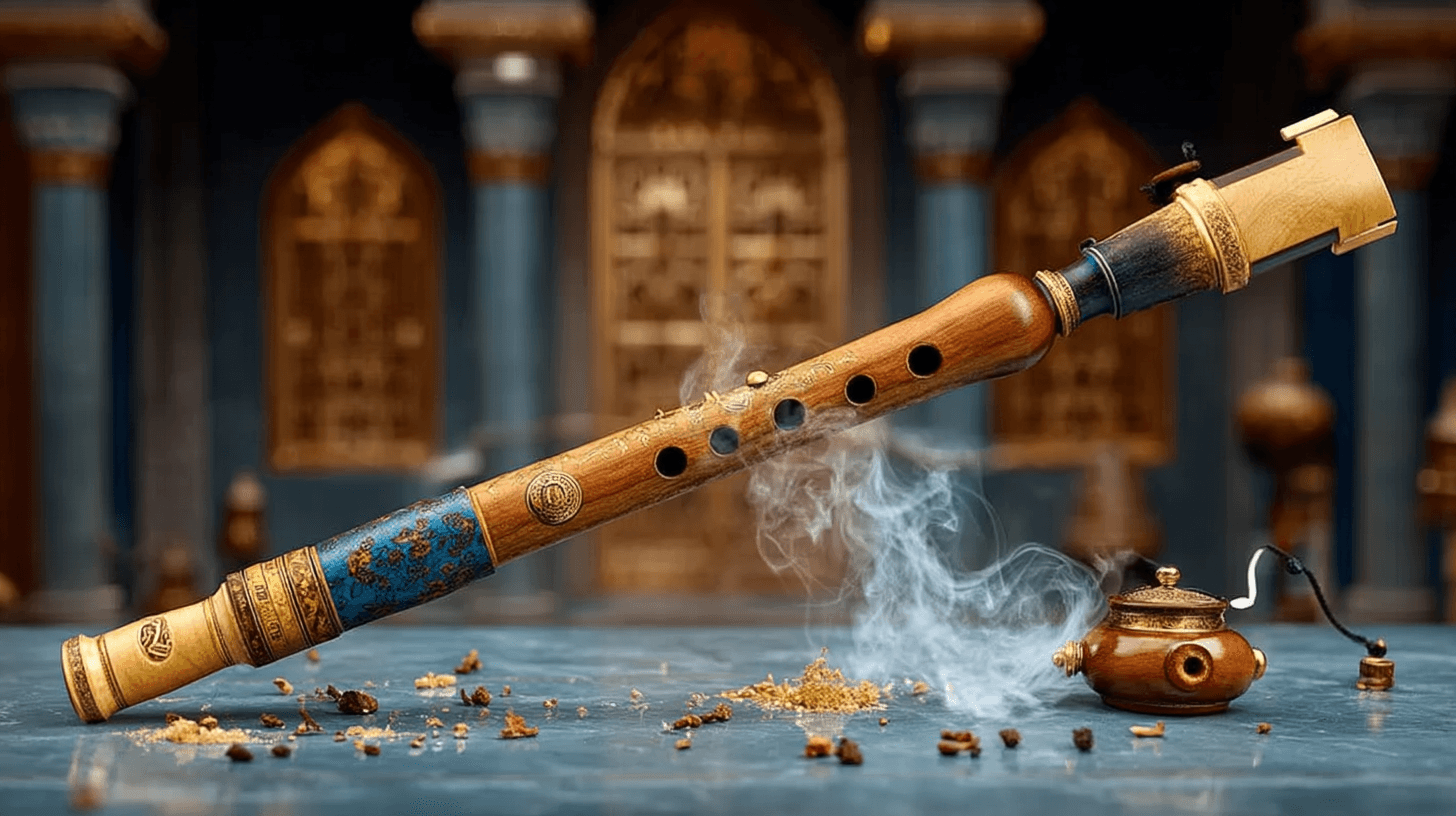
Beyond Words: How the Ney and Duduk Speak to the Heart
I. Introduction: Whispers from Ancient Lands
A. Hook: Ever felt a melody that seems to tug at your soul, transcending language and time? That's the magic of the Ney and Duduk.
B. Overview: These aren't just instruments; they're ancient storytellers, carrying the soul of entire civilizations in their haunting, human-like cries. We're diving into the captivating world of these two iconic wind instruments from the Middle East and Caucasus.
C. What to Expect: Get ready for a journey through history, culture, and the very heart of their unique sounds.
II. The Ney: The Soul's Lament and Sufi Secrets
A. A Reed with 5,000 Years of Stories
- Ancient Echoes: Imagine soundscapes from the dawn of civilization. The Ney, one of the oldest instruments still played, traces its roots back to Mesopotamia and Ancient Egypt (5000-3000 BCE!). Think pharaohs, sacred rituals, and the birth of organized sound.
- Simple Yet Profound: Made from a humble hollow cane; its name literally means "reed." Yet, from this simple form emerges a sound that has echoed through millennia.
B. Anatomy of a Soulful Sound
- The Bare Essentials: At its heart, the Ney is a testament to minimalism: a cane body, often adorned with metal rings (parazvane) to prevent cracks, and a scattering of tone holes – a deceptively simple design capable of producing immense complexity.
- Regional Flair: Mouthpieces & Embouchures: The nuances lie in the details, particularly in how it's played.
- Turkish Ney: Embraces the "başpare" mouthpiece, often crafted from buffalo horn, lending a softer, more controlled volume to its voice.
- Arabic Ney: Often eschews a mouthpiece altogether, resulting in a deeper, stronger, more resonant sound that fills the space around it.
- Persian Ney: Here, the player adopts a unique "interdental" technique – the instrument is played between the upper front teeth, resulting in sharp, clear notes.
C. The Language of the Ney: Playing is an Art
- Not for the Faint of Heart: Mastering the Ney, earning the title of "neyzen," is a deeply challenging pursuit. Imagine spending weeks, perhaps months, simply trying to produce a single, clear tone! It demands absolute breath control, a nuanced understanding of lip and tongue placement, and subtle shifts in the instrument's angle.
- Microtones & Melodies: The Ney transcends the rigid boundaries of Western scales, embracing the fluid beauty of microtones – those elusive quarter-tones that imbue Middle Eastern music with its distinctive flavor and emotional depth.
D. The Ney's Spiritual Heartbeat
- Sufi Soulmate: The Ney is more than just an instrument; it's a spiritual conduit, a vehicle for transcendence. Within Sufi mysticism, particularly among the Whirling Dervishes, the Ney symbolizes the human soul's profound longing for the divine.
- Rumi's Muse: The 13th-century poet Rumi, a towering figure in Sufi thought, frequently invoked the Ney's mournful sound, seeing it as an allegory for the soul's separation from its origin, a poignant reminder of our yearning for reunion.
E. Ney Today: From Ancient Temples to Jazz Clubs
- Timeless Appeal: The Ney remains a cornerstone of classical Arabic, Turkish, and Persian music, its voice as vital and relevant as ever.
- Unexpected Collaborations: Defying categorization, the Ney is popping up in diverse musical landscapes – jazz ensembles, electronic music experiments, world music fusions, and even film scores – a testament to its versatility and enduring appeal.
III. The Duduk: Armenia's Crying Voice and Global Star
A. An Apricot Heart, an Ancient Voice
- Armenian Pride: The Duduk is more than just an instrument to the Armenian people; it's a national treasure, an emblem of cultural identity, and a vessel for storytelling. Its roots stretch back perhaps 3,000 years.
- The Magic of Apricot Wood: Crafted from the heartwood of aged apricot trees (sometimes seasoned for up to eight years!), the Duduk derives its uniquely warm, soft, and almost human-like timbre.
B. The Secret to its Soulful Cry
- The "Ghamish" Reed: A defining feature of the Duduk is its wider, shorter double reed, known as the "Ghamish," fashioned from local cane. This unique reed construction is central to its signature mournful and expressive character.
- Playing in Harmony: Traditionally, the Duduk is played in pairs, a practice that enriches its sonic texture. One instrument carries the melody, while the other sustains a continuous drone, the "dum," employing circular breathing to create a haunting backdrop.
- Dudukahar's Dance: Players, known as "dudukahar," cultivate a mastery of breath control, embouchure, and subtle fingerwork, enabling them to bend notes and convey a rich tapestry of emotions.
C. Controversies & Cultural Echoes
- A Generic "Eastern" Sound? The Duduk's haunting tones have found their way into numerous Hollywood productions. But some worry that its increasing global presence risks detaching it from its specific Armenian heritage, transforming it into a generic sonic shorthand for "ancient" or "exotic."
- Modern Makeover? Some argue that the "modern" Duduk sound may represent an evolutionary departure from earlier traditions. Comparisons with recordings from the pre-1926 era suggest a sound more akin to the zurna.
- Tuning Troubles? Some emerging players have reported inconsistencies in tuning, sparking debates about the fidelity of modern instruments to traditional Armenian scales and the pressures of standardization.
D. Duduk's Global Journey
- UNESCO's Nod: In 2008, the Duduk received official recognition from UNESCO as a Masterpiece of the Intangible Heritage of Humanity.
- Djivan Gasparyan & Hollywood: The virtuoso Djivan Gasparyan played a pivotal role in introducing the Duduk to global audiences. His collaborations with Peter Gabriel and Hans Zimmer, among others, solidified its place in the world of film and contemporary music.
- Beyond Borders: The Duduk has cousins in neighboring regions, known by various names such as balaban, duduki, and mey, each celebrated for its warm and expressive tonal qualities.
IV. Weaving the Threads: Similarities, Challenges & The Future
A. Shared DNA: More Than Just Wind Instruments
- Ancient Lineage: Both the Ney and Duduk boast millennia of history, serving as living bridges to deep cultural roots and shared human experiences.
- Expressive Power: Each possesses a remarkable ability to mimic the human voice, capable of evoking profound emotions and facilitating spiritual contemplation.
- Mastery Required: Neither instrument is easily mastered, demanding exceptional dedication, rigorous training, and unwavering breath control.
- Global Footprint: Both have transcended their geographical origins to embrace modern genres and achieve international acclaim.
B. Looking Ahead: Tradition Meets Tech
- Preservation is Key: Sustained efforts are underway to safeguard the traditions of both instruments, from meticulous oiling routines for the instruments themselves to UNESCO recognition and master classes designed to nurture the next generation of musicians.
- The "Hyper" Revolution: Imagine "Hyper-Neys" equipped with electronic sensors that translate breath and finger movements into synthesized sounds, or keyed Duduks that dramatically expand their range. Virtual instruments and mobile apps are democratizing access to these ancient sounds, empowering new generations of musicians and composers to explore their potential.
- Evolving Sounds, Enduring Soul: As new materials (plastic or metal Neys, hybrid Duduks) and innovative designs emerge, the central mission remains: to ensure that their ancient voices continue to resonate, bridging the past, present, and future.
V. Conclusion: The Unspoken Language of the Soul
A. A Timeless Legacy: The Ney and Duduk are far more than mere flutes; they are living testaments to human emotion, spirituality, and cultural resilience.
B. The Heart Remembers: Within their haunting melodies, we discern echoes of joy, sorrow, and longing, resonating directly with our hearts, unburdened by the constraints of language.
C. Your Turn: Have you ever been moved by the sound of a Ney or Duduk? What music speaks to your soul?