
How Music Rewires Your Brain to Beat Stress and What Science Says
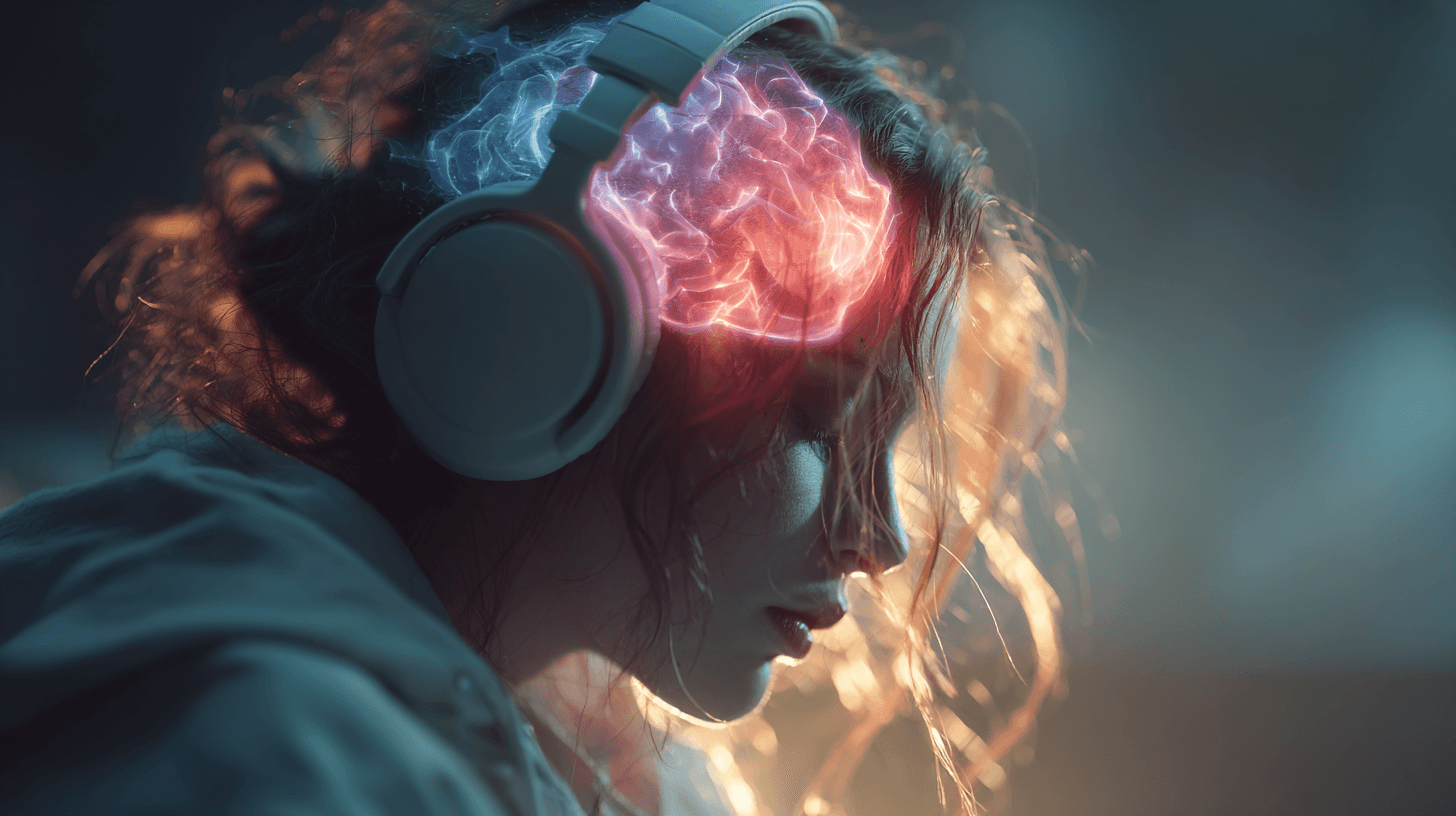
How Music Rewires Your Brain to Beat Stress (and What Science Says!)
I. Introduction: The Ultimate Stress Buster?
Ever felt your worries melt away the moment your favorite song comes on? That's not just a feeling – it's your brain and body doing some serious chemical magic! Music isn't just entertainment; it's a profound tool that directly influences our stress hormones and biological mechanisms, offering a potent pathway to calm. We're diving into ancient wisdom, cutting-edge science, a few surprising twists, and a glimpse into music's high-tech future in stress relief. Prepare to have your perception of music transformed.
II. A Symphony Through Time: Music's Ancient Roots as a Healer
This isn't a new tune, you see. The idea of music as a healing force is etched deep into the human story. Across civilizations – Greece, Egypt, China, India – music was integral to healing rituals. Think of the chanting healers, the rhythmic dances designed to soothe the spirit, the carefully constructed melodies believed to balance the body's energies. Even philosophers like Aristotle and Plato pondered music's effects on the soul, recognizing its potential to shape character and emotion.
The journey from anecdotal belief to formal recognition was a slow one. Early mentions surface in publications like the Columbian Magazine, and nascent medical dissertations began exploring its potential. The 19th century saw intriguing experiments within the confines of asylums, attempts to harness music's power to soothe troubled minds. What began as "soft science," a realm of observation and intuition, gradually began its transformation towards "brain science" as modern medicine emerged. As the 19th century waned and the 20th dawned, scientists began to investigate music's physiological effects, turning their attention to the stress hormones that dictate our body's response to pressure.
III. The Science Behind the Serenity: What's Happening in Your Brain?
What happens within us when we are listening to music? It's akin to your body's chemical choir tuning up. Music exerts its influence via specific hormones and neurotransmitters. When calm, soothing music washes over us, studies show a significant drop in cortisol levels – sometimes up to a staggering 61%! Consider that cortisol is the conductor of the "stress orchestra," orchestrating the HPA axis (hypothalamic-pituitary-adrenal axis) and triggering the sympathetic nervous system (the "fight or flight" response). Music, it seems, can conduct a counter-melody, shifting us towards the parasympathetic response, the realm of "rest and digest."
Then there's dopamine, the "happy hit," the pleasure and reward neurotransmitter that makes us feel good. Think of the rush you get when your favorite riff kicks in – that's dopamine at work. Oxytocin, the "love hormone," fostering trust and connection, also gets a boost. And let's not forget endorphins, nature's painkillers, released by upbeat music, lifting our mood and easing discomfort.
But adrenaline, that's where things get interesting. It is a double-edged sword. Some music types can amp up the adrenaline response, triggering that fight-or-flight mode. Other music styles, however, can calm the adrenaline response.
The benefits extend beyond hormones. Music orchestrates the autonomic nervous system, slowing heart rate, blood pressure, and breathing. There's even a fascinating correlation between music at 60 BPM and alpha waves, those brainwaves associated with relaxation. Prolonged exposure can even induce delta waves, the hallmark of deep sleep.
But why does it work? Theories abound. Is it simply distraction, a temporary escape from our worries? Is it mood regulation, the "Iso-principle" of mirroring and then shifting emotional states? Perhaps it's entrainment, the synchronization of our body rhythms to the music's beat? Or maybe it's the activation of reward pathways in the brain, pure and simple. The answer, most likely, is a complex interplay of all these factors.
IV. Is it All Harmony? The Quirks and Controversies
Before you rush off to create your ultimate stress-busting playlist, a word of caution: it's not a one-size-fits-all symphony.
Mixed results and individual differences are common in the field of music therapy. Music's effects are subtle and intertwined with a myriad of personal factors. The "sad song trap" is a real danger. Listening to music that aligns too closely with a negative mood can lead to rumination and worsen distress, particularly in adolescents. Nature's sounds, in some studies, have even proven more effective than music in specific stressful scenarios.
The intensity of the stressor matters, too. Music might be a gentle balm for mild anxieties, but it might struggle to cut through the noise of severe stressors. And what kind of music are we talking about? Calming, instrumental, slow-tempo music, or, crucially, music that is personally preferred is usually key.
Methodological mismatches complicate the picture. Diverse study designs make universal conclusions tricky. It is important to acknowledge that while controversies exist, well-chosen music remains a powerful tool. The key lies in personalization, finding the sonic landscapes that resonate with your unique inner world.
V. The Future's Soundtrack: What's Next for Music & Stress?
The future of music and stress is an exciting vista of possibilities. Future research aims to define optimal music "dosages" and interventions for various clinical and public health contexts. What is the ideal duration, frequency, and intensity of music exposure for specific conditions?
The intersection of music with other therapeutic modalities holds immense promise. Imagine combined therapies – music interwoven with nature, mindfulness practices, or even, in carefully controlled settings, psychedelic-assisted therapy. And, of course, deepening our neuroscientific understanding of music's broader hormonal impacts, extending beyond cortisol, is crucial.
But perhaps the most intriguing developments lie in the realm of technology. Envision personalized playlists on steroids, powered by AI and biosensing wearables, creating custom soundtracks based on your real-time stress levels. Brain-computer music interfaces (BCMI) – music that responds directly to your brainwaves – offer the potential for unprecedented emotion self-regulation. Add to that digital tools for self-expression, advanced analytics, and integrated breathing techniques, and you have a glimpse of a future where music is a highly personalized and potent therapeutic tool.
The applications are widening. Music's role is expanding in clinical settings, general well-being initiatives, work/education environments, mental health support systems, pain management protocols, sleep enhancement strategies, cognitive rehabilitation programs, and even in fostering social connection.
VI. Conclusion: Your Personal Prescription for Peace
From ancient healer to modern scientific marvel, music's journey is a testament to its enduring power. It's a power with nuances, with complexities, with an exciting future unfolding before us.
Experiment. Explore. Create personalized playlists. Find what truly resonates for your own stress reduction.
Next time life gets loud, remember to turn on some music – your hormones (and your happiness!) will thank you.