
Spirit, Earth, and Breath - Unpacking Native American Meditation Beyond the Stereotypes
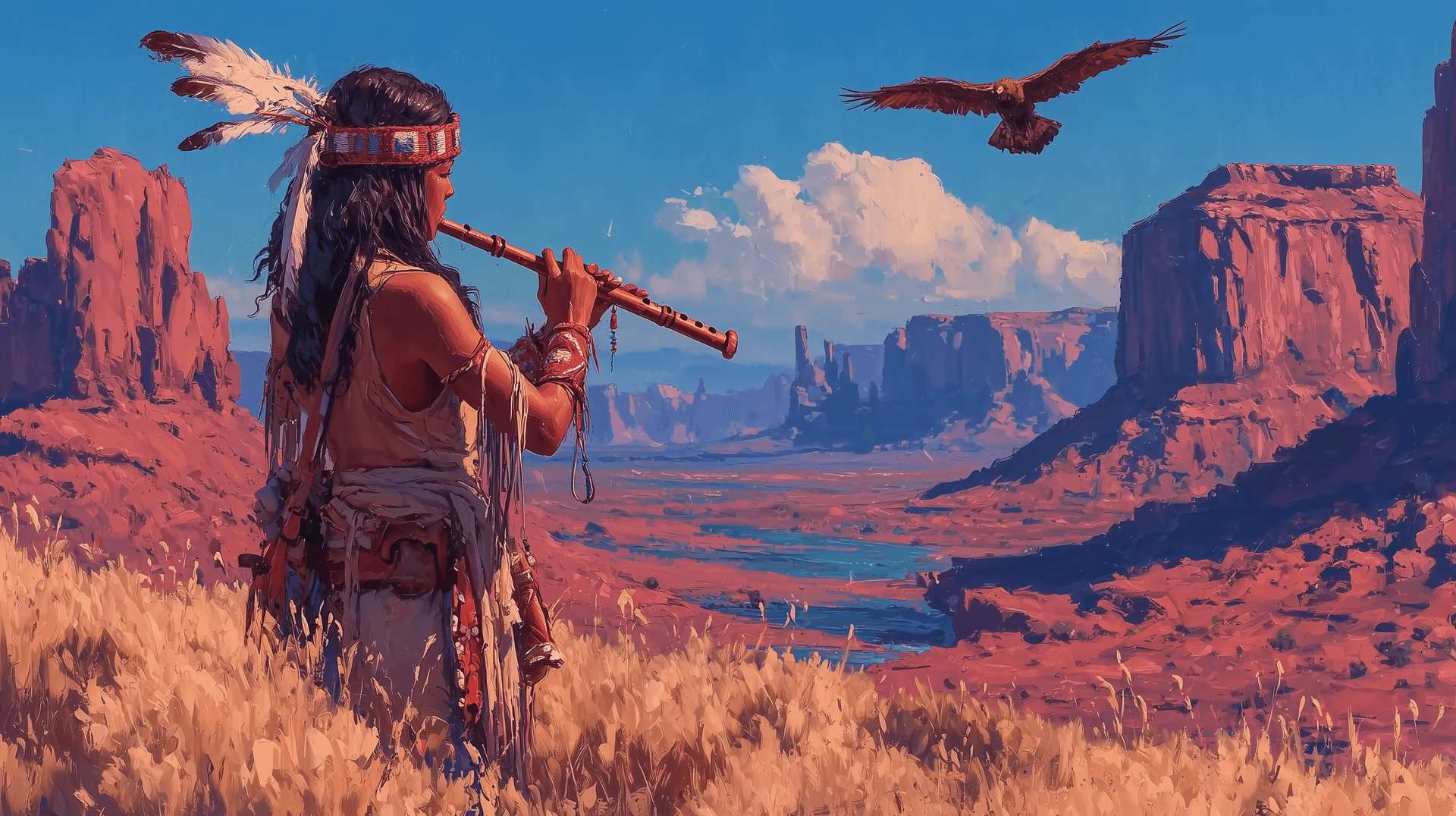
Spirit, Earth, and Breath: Unpacking Native American Meditation Beyond the Stereotypes
I. Introduction: More Than Just "Sitting Still"
Forget the image of serene stillness, the cross-legged posture, the droning "Om." That's a sliver, a shadow. Native American meditation, in its truest form, is a vibrant, pulsating way of existing – a constant communion with the world around you, a visceral connection to something far grander than the self. It's less a "technique" to be mastered and more a state of awareness cultivated through every breath, every footfall, every interaction.
This isn't about finding inner peace in isolation; it's about recognizing our place within the "Great Circle" of life, that intricate web that binds all beings. It rests upon four foundational pillars: Spirit, the unseen forces that shape our reality; Earth, our nurturing mother and constant teacher; Breath, the sacred exchange that sustains us; and Interconnectedness, the radical understanding that we are all related.
Join me as we delve into the ancient roots of these practices, explore their potent expressions, grapple with the controversies that arise in our modern world, and contemplate their future as they navigate the currents of technology and the enduring fight for sovereignty.
II. Echoes from the Past: A Timeless Path to Connection
These aren't novel inventions; they are echoes from the dawn of time, millennia-old traditions honed through generations of profound observation. Imagine a way of life where the rustling leaves whisper secrets, where the flight of an eagle carries profound meaning, where the very ground beneath your feet hums with ancient wisdom.
At its heart lies the concept of "All My Relations" (Mitakuye Oyasin in Lakota) – a radical kinship that extends beyond humanity to encompass every living thing. We are not separate, superior beings; we are but threads in a vast tapestry, inextricably linked to the animals, the plants, the rocks, the stars. Each holds a piece of the Great Mystery, the Wakan Tanka, that supreme, formless life force that permeates all things.
This is not a linear path with a defined beginning and end. Indigenous spirituality embraces a cyclical worldview, mirroring the seasons, the celestial movements, the very cycles of life and death. The past isn't a distant memory; it's a living presence, informing the present and shaping the future.
Let us not forget the shadow that has been cast upon these traditions. The Indian Religious Crimes Code, a brutal instrument of cultural suppression, criminalized practices like the Sun Dance and Sweat Lodge until 1978. This forced these sacred ways underground, making their very survival a testament to the resilience and unwavering spirit of Native peoples.
III. The Heartbeat of Practice: Spirit, Earth, and Breath in Action
Let's venture into the heart of these practices, where Spirit, Earth, and Breath converge in a dance of reverence and connection.
Spirit: Quieting the Mind to Hear the Mystery
To connect with the Spirit world, we must first quiet the incessant chatter of the mind. Smudging, the ritual cleansing with sacred plants like sage, sweetgrass, and cedar, is more than just burning herbs; it's a purification of energy, a clearing of pathways to facilitate communication with the unseen realms. Then there's the Vision Quest: a profound commitment to fasting and solitude in nature, a deliberate stripping away of the familiar to seek guidance and purpose from the spiritual domain.
Earth: Listening to Our Mother
Native American meditation extends beyond internal silence to encompass a deep, attentive listening to the external world. The rustling leaves, the flowing water, the chirping of crickets – these are not mere background noise; they are direct messages from Mother Earth, whispers of wisdom waiting to be heard. Consider the practice of Gratitude Walking, where every step becomes a prayer, a conscious expression of thankfulness for the ground beneath your feet, for the gifts of the Earth that sustain us.
Breath: The Sacred Exchange
Breath is not merely air; it is a sacred exchange, a vital link connecting us to the plant kingdom, to the "breath of Mother Earth" that we call wind. With each inhale, we draw in the life force of the universe; with each exhale, we release what no longer serves us, creating space for renewal. Deep, conscious breathing synchronizes us with the rhythm of the cosmos, anchoring us in the present moment.
Interconnectedness: Living the Great Circle
The concept of interconnectedness is woven into the fabric of daily life. The Four Directions Reflection honors the cardinal points – East for new beginnings, South for growth, West for introspection, and North for wisdom – reminding us of the cyclical nature of existence. Simple yet powerful rituals, such as greeting the rising sun with gratitude or observing the "small people" (insects, animals) with quiet reverence, serve as constant reminders of our place within the Great Circle. And then there is the drum – the "heartbeat of Mother Earth" – whose rhythmic pulse bypasses the analytical mind, facilitating a profound sense of oneness.
IV. Sacred or Spectacle? The Modern Battle for Authenticity
In our modern world, where everything is commodified and packaged for consumption, these sacred practices face a critical challenge: the battle for authenticity. The wellness industry, with its insatiable appetite for the exotic and the trendy, has often stripped Indigenous practices of their context and meaning, selling them as superficial "self-care" rituals.
Consider the proliferation of "starter witch kits" containing white sage, often sourced unsustainably and marketed without any understanding of its sacred significance. Indigenous people often ask non-Natives to use the term "smoke cleansing" instead of "smudging" to show respect for the traditions. The commodification extends to other cultural expressions as well, from the Day of the Dead transformed into a Hollywood-inspired spectacle to the Voladores de Papantla, a profound fertility rite reduced to a "gravity-defying show" for tourists. The "Mayanisation" of the Yucatan Peninsula, with megaprojects like the "Tren Maya," uses Indigenous names and imagery for tourism while simultaneously destroying sacred sites and treating ancestral artifacts as mere museum pieces.
The fight for religious freedom and ownership is an ongoing struggle. Legal protections for plant medicines like peyote (for the Native American Church) and ayahuasca are constantly challenged, requiring groups to meet a high bar of "sincere religious belief" to use them legally. Corporations continue to patent Indigenous knowledge (like neem and Hoodia) without consent or compensation, exploiting the "public domain" trap and highlighting the fundamental clash of worldviews.
V. Weaving the Future: Technology, Trauma, and Sovereignty
Despite these challenges, Native American meditation is not a relic of the past; it is a living, evolving tradition finding new expressions in the digital age.
Digital guardians are emerging, harnessing the power of technology for reconnection and healing. VR/AR experiences like Resonant and OurWorlds digitally "re-place" urban Indigenous youth on ancestral lands, combating land disconnect and offering immersive meditative experiences. AI is being used to transcribe and revitalize Indigenous languages, preserving the very words that carry mindfulness concepts like the Lakota Wóčhekiya and the Navajo Hózhó. Dr. Michael Yellow Bird's "Neurodecolonization" utilizes traditional practices like drumming and fasting to heal ancestral trauma and rewire the brain.
Indigenous communities are asserting their data sovereignty, embracing the OCAP principles – Ownership, Control, Access, and Possession – of their digital cultural heritage. Community-led digital archives like Mukurtu CMS and TK Labels allow tribes to set "cultural protocols" for accessing sacred meditation and ceremonial documentation, preventing commodification. The concept of "Ethical AI" demands that spiritual knowledge not be "scraped" by large language models without consent.
Activism itself is becoming a form of ceremony, with environmental movements like Standing Rock's "Water is Life" reclaiming ritual as a sovereign act of power. Indigenous-led tourism initiatives, such as President Arévalo's "Indigenous Tourism Challenge," aim for community-controlled, inclusive tourism that respects traditions and empowers local communities.
VI. Conclusion: A Call to Respectful Reflection
Native American meditation is not a static, monolithic entity; it's a dynamic, living tradition deeply relevant to our modern world. It challenges us to move beyond the passive consumption of "wellness trends" to cultivate active appreciation, deep listening, and respectful engagement.
As you explore these profound practices, remember that you are entering a sacred space. Educate yourself, support Indigenous-led initiatives, and approach these traditions with humility and reverence, seeking understanding rather than a quick "spiritual fix."
Let us honor the wisdom of the ages and walk gently on this Earth, remembering always that we are all related.