
The Himalayas' Whisper - Finding Your Inner Stillness with Tibetan Meditation
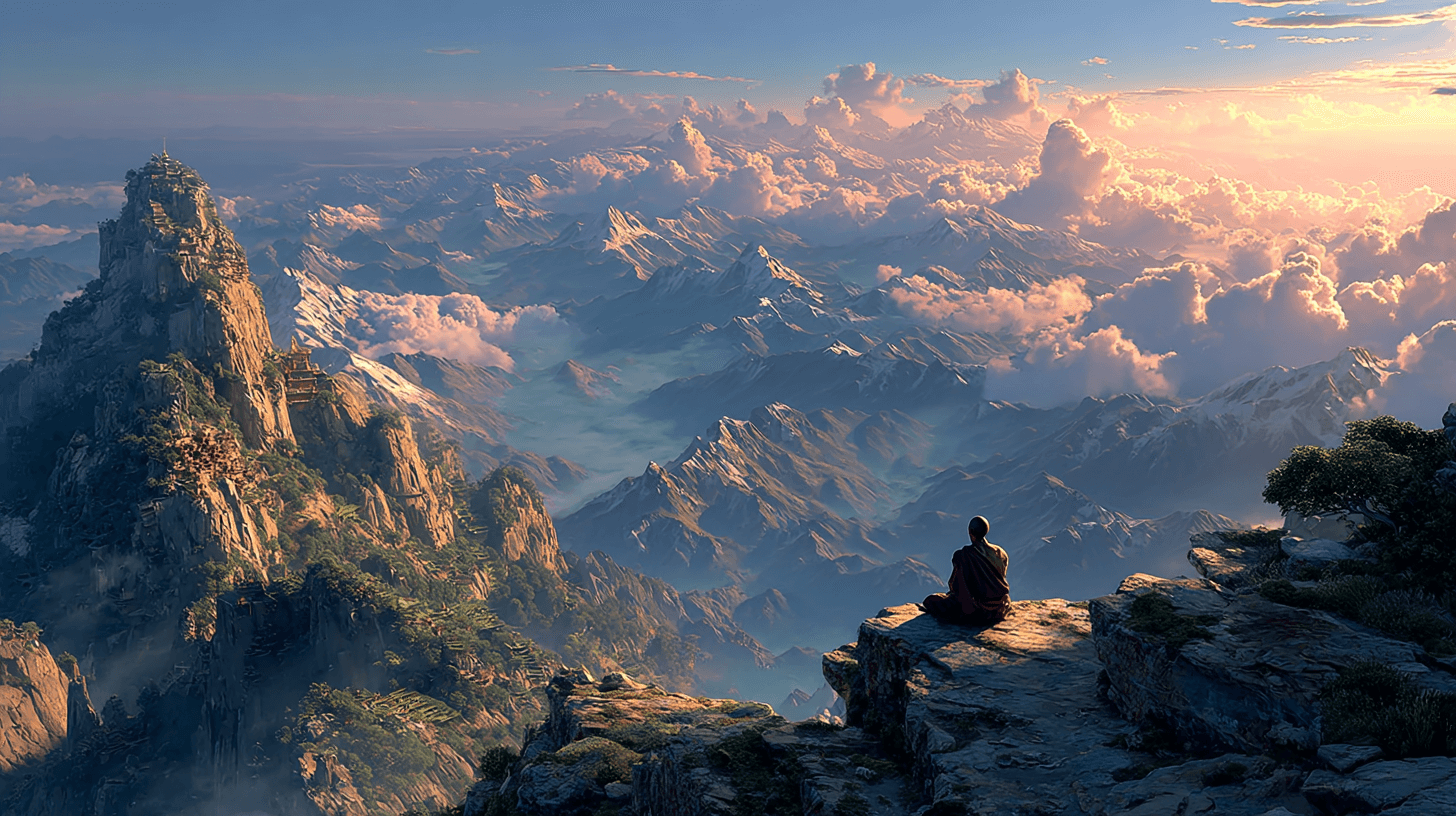
The Himalayas' Whisper: Finding Your Inner Stillness with Tibetan Meditation
I. Introduction: Lost in the Echoes (Setting the Scene)
Ever feel like your mind is a chaotic marketplace? A constant chatter, endless to-do lists, and that nagging feeling of being perpetually "on"? It's a familiar sensation, isn't it, this feeling of being adrift in a sea of incessant mental noise.
Imagine a place where silence isn't just the absence of sound, but a profound state of being. A silence that hums with ancient wisdom and the quiet strength of towering peaks. Welcome to the world of Tibetan Meditation, born amidst the majestic, silent peaks of the Himalayas. Think of those monasteries perched precariously on cliffsides, the wind carrying the low murmur of mantras across vast distances.
This isn't just about closing your eyes; it's about transforming your entire inner landscape. It's about recalibrating your relationship with your own mind.
Today, we're diving deep into what makes this ancient practice so powerful, its incredible journey through history, what science says about it now, and even the tricky parts of bringing it into our modern world. It's a journey that spans centuries and continents, a testament to the enduring power of inner exploration.
II. The Blueprint for Calm: What is Tibetan Meditation Anyway?
More than just 'chilling out': It's a spiritual workout for your mind, rooted in Mahayana and Vajrayana Buddhism. The ultimate goal? To wake up (enlightenment!) for everyone's benefit. It is a path towards liberation, not just for oneself, but for all sentient beings, a concept deeply embedded in the notion of Bodhicitta.
The Big Ideas (Tiny digestible bites):
- Bodhicitta: Think extreme altruism – wanting to help everyone feel good. It's the secret sauce for positive vibes. A boundless wish to alleviate suffering in the world.
- Karma & Reincarnation: Actions have ripples, good or bad, and they follow us. Meditation helps us tidy up those ripples. It's not about punishment or reward, but about understanding the interconnectedness of cause and effect.
- Renunciation: Not about ditching your stuff, but finding happiness inside instead of chasing it externally. A subtle distinction, moving away from external validation to find contentment within.
- Emptiness (Shunyata): Seeing things as they truly are, without all our sticky labels and judgments. Hello, profound peace! Stripping away the layers of conceptualization that cloud our perception of reality.
- Wisdom & Compassion: The dynamic duo – understanding reality and wanting to ease suffering. The two wings of the bird, essential for navigating the path to enlightenment.
Unlocking Inner Stillness: This is the prize! It's about taming that "monkey mind" – you know, the one that can't stop jumping from thought to thought. Practices like Shamatha help you anchor your mind, leading to effortless calm and clarity. It's like finding the clear stream beneath a muddy river. The mental chatter subsides, revealing the underlying stillness that is always present.
Why the Himalayas? It's not just a pretty backdrop. These mountains are alive with spiritual energy – sacred homes, pilgrimage trails, places where great masters found their zen (and left cool meditation caves!). Their isolation fosters deep spiritual growth, and their sheer grandeur is a metaphor for the journey itself. The very air seems to vibrate with centuries of accumulated spiritual practice.
III. A Journey Through Time: How Tibet's Silence Grew Louder
Before Buddhism: The original vibe in Tibet came from the Bön tradition, already using meditation, rituals, and chants to connect with nature. A shamanistic tradition deeply intertwined with the landscape, preceding the arrival of Buddhism.
Buddhism's Grand Entrance (7th-8th Century):
- King Songtsen Gampo started the party, translating sacred texts. A pivotal moment, laying the foundation for the transmission of Buddhist teachings.
- Then, Guru Rinpoche (Padmasambhava) showed up with advanced tantric techniques, mixing Indian Buddhism with local Bön practices to create something truly unique. A synthesis of traditions, resulting in a uniquely Tibetan form of Buddhism.
- Shantarakshita helped build the first monastery, Samye – a big deal! A cornerstone of Tibetan Buddhist culture, a center for learning and practice.
The Great Schools Emerge (10th-13th Century): Imagine different spiritual universities, each with its own flavor:
- Nyingma: The OG, known for Dzogchen ("Great Perfection") – a direct path to pure awareness. A focus on spontaneous awakening, bypassing the need for elaborate practices.
- Kagyu: Focused on Mahamudra ("Great Seal") – realizing the unity of everything. Think legendary yogis like Milarepa and practices like tummo (inner heat – yes, real!). Emphasizing direct experience and the transformative power of the guru-disciple relationship.
- Sakya: Brainy and tantric, with teachings like Lamdre ("Path and Its Fruit"). A sophisticated system of tantric practice and philosophical inquiry.
- Gelug: Founded by the rockstar Je Tsongkhapa, known for rigorous study and discipline (and home to the Dalai Lamas!). A structured approach emphasizing monastic discipline, philosophical study, and tantric practice.
The Core Practices that Stuck: Shamatha (calm abiding) for focus, and Vipassana (insight) for wisdom – they're the bread and butter. A combination of focused attention and analytical meditation, cultivating both concentration and wisdom.
Mountains & Monasteries: The Himalayas weren't just a physical barrier; they were a cradle for a distinct culture, full of monasteries, stupas, and a way of life interwoven with spiritual practice. The landscape itself shaped the culture, and the culture, in turn, transformed the landscape through the creation of sacred spaces.
Going Global (20th Century & Beyond): The painful Chinese invasion and subsequent diaspora meant Tibetan teachers, including the incredible 14th Dalai Lama, spread these profound practices worldwide, planting seeds for today's global mindfulness movement. A forced migration that inadvertently led to the widespread dissemination of Tibetan Buddhist teachings.
IV. The Modern Gaze: What Are People Saying About It Now?
The Good Stuff (Everyone's Raving):
- Mental Superpower: Say goodbye to stress, anxiety, depression! Hello, emotional intelligence and sharper self-awareness. It's even helping with things like PTSD and chronic pain. A potential antidote to the modern malaise, offering tools for managing stress and cultivating emotional well-being.
- Body Boost: Studies on monks show it might even improve gut health (who knew?), immunity, and lower blood pressure. Tibetan breathing exercises (Pranayama) are like a reset button for your nervous system. A growing body of evidence suggesting tangible physical benefits from regular meditation practice.
- Brain Power-Up: Better memory, improved attention, and less mind-wandering. Your brain just works better. Enhancing cognitive function and improving focus in an increasingly distracted world.
- Spiritual Transformation: For believers, it's a direct path to profound wisdom and understanding. A time-tested path towards self-discovery and spiritual growth.
Science Steps In:
- Brain Scans & Buzzwords: Neuroscientists are using fancy tech (EEG, fMRI) to peek into meditators' brains and see the magic happening. Quantifying the subjective experience of meditation through objective measures.
- Mindfulness Mania: Buddhist meditation is now a secular superstar – mindfulness apps, corporate wellness programs, and therapy techniques. A widespread adoption of mindfulness practices in various sectors of society.
- East Meets West: Events like the "Science, Mindfulness, and Meditation" conference in Bhutan show the growing conversation between ancient wisdom and modern science. A bridge between traditional knowledge and modern scientific inquiry.
V. Rough Patches & Red Flags: The Controversies
Cash-Cow Meditation? (Commercialization):
- Is charging big bucks for enlightenment courses okay? Some say it goes against the spirit of generosity. Raising questions about accessibility and the potential for exploitation. The report highlights concerns about the high costs associated with some mindfulness programs, potentially creating barriers to access for certain populations (p. 17).
- The commodification of sacred items, even fueled by state-led tourism, raises eyebrows. Transforming spiritual artifacts into tourist trinkets, potentially diluting their cultural significance.
Mindfulness or "Whitemindfulness"? (Cultural Appropriation):
- Taking meditation out of its ethical Buddhist context for a quick stress fix in the West can strip it of its deeper meaning. A concern about the superficial application of mindfulness techniques, neglecting the underlying ethical framework.
- The multi-billion dollar mindfulness industry often overlooks its Asian Buddhist roots – a definite sore spot. The report mentions the "McMindfulness" phenomenon, where mindfulness is stripped of its ethical context and reduced to a technique for increasing productivity (p. 18).
Ethical Roadblocks:
- When practices are separated from core Buddhist ethics (like the "five precepts" for non-harming), they can lose their way, potentially even reinforcing negative habits. Detaching mindfulness from its ethical foundation can lead to unintended consequences.
- Debates around "secular Buddhism" – can you ditch karma and nirvana and still get the full benefits? Questioning the efficacy of a watered-down version of Buddhism, devoid of its core tenets.
The Political Shadow:
- China's Tight Grip: The Chinese government's repression of Tibetan religious practices is a massive, ongoing challenge. A direct threat to the survival of Tibetan Buddhism and its cultural heritage.
- Dalai Lama Dilemma: Beijing insists on choosing the next Dalai Lama, a direct attack on religious freedom. Undermining the autonomy of the Tibetan Buddhist community in selecting their spiritual leader.
- "Sinicization": Efforts to erase Tibetan culture and religion, replacing it with Han dominance, including destroying monasteries and surveillance. The fight to preserve Tibetan Buddhism is a fight for cultural survival. The report details China's efforts to control Tibetan Buddhism through the appointment of politically compliant religious leaders and the suppression of dissenting voices (p. 22).
VI. Looking Ahead: The Future of Inner Peace
Mental Health's New Frontier: Tibetan Medicine is teaming up with Western psychology for a truly holistic approach. Sound healing is also gaining traction. Integrating traditional healing practices with modern therapeutic techniques.
Meditation for the Masses:
- Digital apps are democratizing access. Making meditation accessible to a wider audience through technology.
- "Dynamic meditation" (movement + stillness) is emerging for our fast-paced lives. Adapting meditation practices to suit the needs of a fast-paced modern lifestyle.
- Universities are teaching "Tibetan Buddhist Meditation and the Modern World" – it's officially cool! Integrating Tibetan Buddhist studies into mainstream academic curricula.
Keeping the Flame Alive (Preservation Efforts):
- The Tibetan diaspora is a lifeline, rebuilding monasteries and preserving language and culture abroad. Maintaining Tibetan culture and religious traditions outside of Tibet.
- Nuns are stepping up to teach. Empowering female religious leaders to play a more prominent role in preserving and transmitting Tibetan Buddhist teachings.
- The vast Tibetan Buddhist canon (Kangyur and Tengyur) ensures ancient wisdom endures. Preserving the written texts and philosophical traditions of Tibetan Buddhism.
Innovating for Impact:
- Hybrid meditation experiences merging old and new. Experimenting with new ways to integrate traditional practices into modern contexts.
- The Dalai Lama is pushing for non-sectarianism and even supporting ordination for nuns! Promoting inclusivity and breaking down sectarian barriers within Tibetan Buddhism.
- More scientific research using EEG to map brain changes during meditation. Furthering our understanding of the neurological effects of meditation.
- Expect more online platforms and retreats as the wellness industry fully embraces these practices. Continued growth and expansion of meditation-related products and services.
VII. Conclusion: Your Own Path to Stillness
From ancient Himalayan caves to modern apps, Tibetan Meditation offers a profound journey to inner stillness. It's a path that has traversed both physical and metaphorical landscapes, adapting and evolving while retaining its core essence.
It's a rich tradition, facing modern challenges and adapting to a new world. A tradition that is both ancient and contemporary, constantly adapting to the changing needs of the world.
Whether you seek stress relief, cognitive enhancement, or spiritual enlightenment, the wisdom of the Himalayas whispers a timeless invitation to quiet the mind and discover the peace within. The report highlights the potential of Tibetan meditation to contribute to personal well-being and societal harmony.