
The Inner Flame - Rekindling Ancient Wisdom in a Modern World
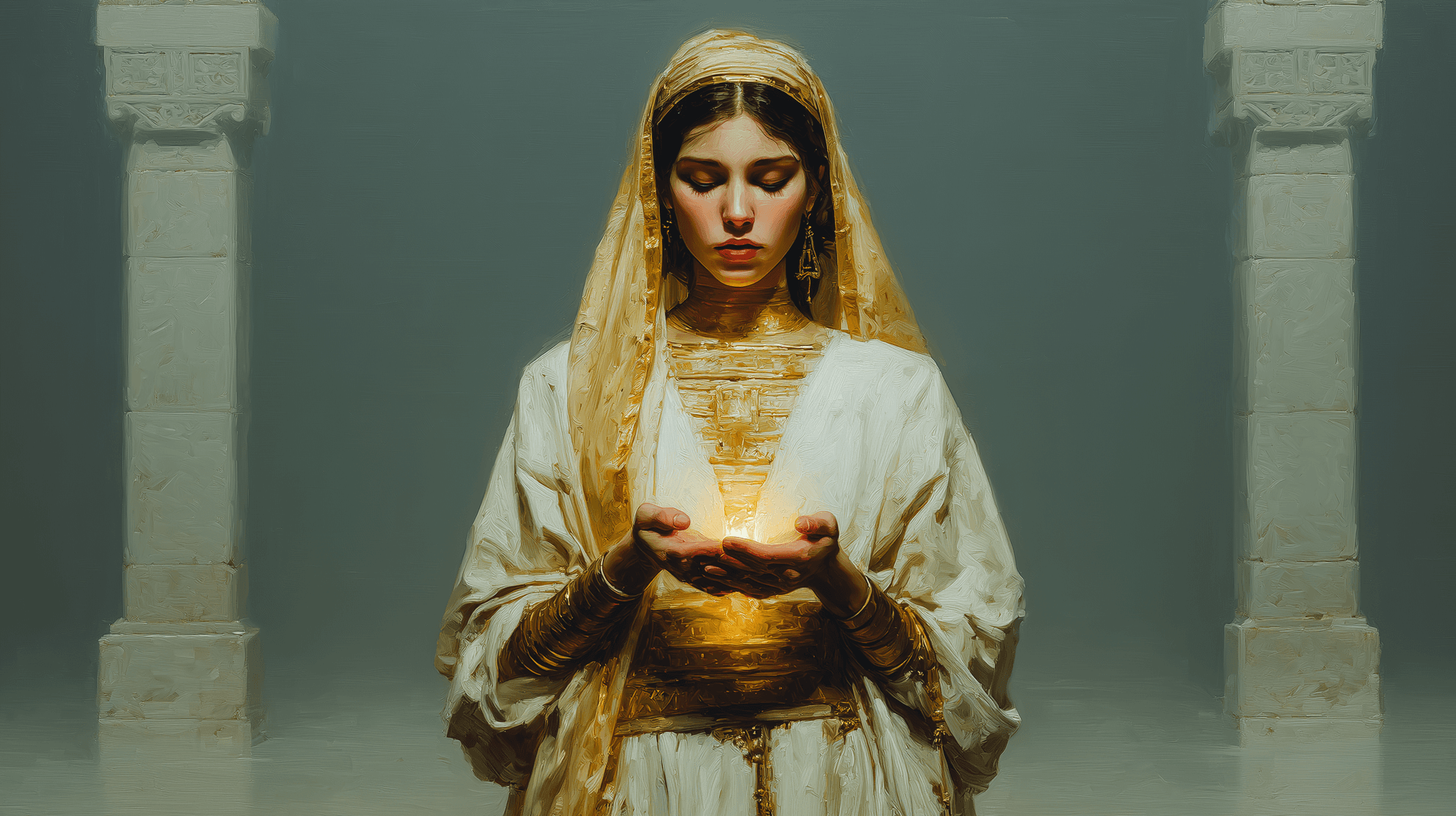
The Inner Flame: Rekindling Ancient Wisdom in a Modern World
I. The Spark Within: Unveiling Zoroastrian Contemplation
Ever felt a deep inner calling, a desire for something more than the everyday? A persistent hum beneath the surface of your routine, hinting at untapped potential? What if an ancient tradition, shrouded in the mists of time, held the key to igniting that potential?
We speak of Zoroastrianism, an ancient faith, often misunderstood, yet brimming with a surprising focus on inner peace and profound connection. Forget the fire-worshipping stereotypes; at its heart lies a sophisticated system of contemplation designed to illuminate the soul.
The "Inner Flame" concept? It's not just a poetic phrase; it's the very heart of Zoroastrian spiritual practice. It symbolizes your soul's direct link to divine truth, a radiant spark of the eternal residing within. This blog post is about understanding how to stoke that fire, to tend to the embers of wisdom that have been burning for millennia.
II. From Ancient Persia to Global Diaspora: A Fiery History
Once upon a time, in the fertile lands of ancient Persia, a prophet named Zarathushtra (Zoroaster to the Greeks) revolutionized belief. He dared to teach of one supreme God, Ahura Mazda, and emphasized the crucial role of ethical living in achieving spiritual fulfillment. This wasn't just about ritual; it was about actively choosing good over evil, shaping one's destiny through conscious action.
Zoroastrianism shaped mighty empires, from the Achaemenids to the Sasanian, its message of cosmic good versus evil resonating with rulers and commoners alike. This faith shaped laws, influenced art, and provided a moral framework for entire civilizations.
Yet, empires crumble, and faiths face trials. The rise of Islam brought a gradual decline in Zoroastrianism's dominance, leading to the Great Migration. A dedicated community, known as the Parsis, fled to India, carrying with them the sacred flame and the weight of their ancestral traditions. Against all odds, they survived, preserving their unique heritage for centuries.
Their enduring wisdom? "Good thoughts, good words, good deeds" – Humata, Hukhta, Huvarshta. It’s more than just a nice sentiment; it’s a timeless moral compass, guiding Zoroastrians through the complexities of life. A practical philosophy, accessible to all, regardless of background or belief.
III. Fire, Not Fire-Worship: Decoding the Sacred Symbolism
The iconic image of fire in Zoroastrianism often conjures images of exotic rituals and, unfortunately, misinformed accusations of fire-worship. But hold on; this symbolism is far more nuanced and profound.
Fire is not an idol, but a powerful symbol. It's a divine mirror, reflecting the light, purity, and omnipresent energy of Ahura Mazda. It's a literal and figurative channel to the divine, a tangible representation of the intangible source of all creation.
The sacred flame in Zoroastrian temples is not merely a burning substance. It mirrors the "inner flame" that resides within each of us – our conscience, our intuition, our inherent connection to truth. Tending to the external flame is a reminder to nurture the internal one.
Indeed, fire is revered as the "son of Ahura Mazda", a living, breathing representative of the divine presence in the material world. It breathes life into the universe, representing warmth, energy, and the continuous cycle of creation and renewal.
IV. Stoke Your Soul: Zoroastrian Contemplation in Action
Zoroastrian contemplation goes beyond simply sitting cross-legged and emptying the mind. It's about actively engaging with the divine, cultivating inner virtues, and transforming one's character. So, how does one actually kindle that inner fire?
Mantras and meditations form a crucial part of the practice. Repetitive sacred chants, often drawn from the Gathas (the hymns of Zarathushtra), allow practitioners to focus their minds on divine truths, attuning themselves to the cosmic order. Visualization plays a key role, imagining the radiant light of Ahura Mazda permeating every aspect of existence.
The Power of Stillness should not be underestimated. Silent meditation, although perhaps less emphasized than other practices, is an ancient Zoroastrian recommendation for daily spiritual growth. Carving out moments of quiet reflection allows the inner flame to burn brighter, unburdened by the noise of the external world.
Contemplation is about cultivating your inner garden. It helps grow virtues like mercy, magnanimity, and openheartedness, transforming the individual into a vessel of divine grace. It’s active work to prune the weeds of negativity.
The ultimate goal is achieving Vohu Manah – the "Good Mind". This embodies a perceptive, intelligent, and emotionally wise approach to life. It's about making ethical choices, guided by reason and compassion, aligned with the principles of Ahura Mazda.
V. Echoes Across Time: Zoroastrianism's Surprising Influence (and the Debates!)
The ancient ripple effect of Zoroastrianism continues to fascinate scholars. Did this ancient faith lay the groundwork for other spiritual traditions? The question sparks lively debate.
Gnosticism's dual dance, its emphasis on the conflict between spirit and matter, light and dark, echoes similar themes in Zoroastrianism. Was this a direct influence, or simply a reflection of a shared cultural milieu? The answer remains elusive, lost in the labyrinth of history.
Sufism, the mystical branch of Islam, also reveals intriguing connections. From ascetic practices resembling the "dervish" tradition to the veneration of light and the roots of "illuminationist" philosophy, parallels abound. Is Sufism, as some suggest, "disguised Zoroastrianism"? The suggestion fuels ongoing academic discussion.
Distinctions and divergences are crucial to acknowledge. While common threads exist, each path possesses its own unique characteristics and historical trajectory. Understanding where these paths converge and diverge reveals the complex tapestry of human spirituality.
VI. Keeping the Flame Alive: Modern Practices and Future Sparks
How do Zoroastrians today continue to tend their inner and outer flames, adapting ancient wisdom to the challenges of modern life?
The ethics of everyday become a contemplative practice. Living Humata, Hukhta, Huvarshta (Good Thoughts, Good Words, Good Deeds) is not simply a Sunday sermon; it’s a daily commitment to ethical action, shaping one's life in accordance with divine principles.
Diaspora dynamics have profoundly shaped the global Zoroastrian community. There's a growing openness to accepting converts, a renewed focus on understanding the core principles of the faith over strict adherence to rituals, particularly among younger generations.
A cultural revival is underway, with Iranians connecting with their pre-Islamic identity and sparking new engagement with Zoroastrian spirituality. This rediscovery of ancestral roots offers a sense of belonging and a renewed appreciation for the rich cultural heritage of Persia.
In a world grappling with uncertainty and ethical dilemmas, the Zoroastrian emphasis on free will, ethical discernment, and individual spiritual responsibility is more relevant than ever. We are each empowered to choose good over evil, to shape our destinies through conscious action.
VII. Your Inner Fire Awaits
Zoroastrianism, in its essence, offers a profound system of contemplative traditions and a timeless message. It’s not about blind faith, but about cultivating inner wisdom, engaging with the divine, and striving for a more righteous and harmonious existence.
The enduring invitation is clear: explore these ancient roots, draw inspiration from their wisdom, and discover the power of the Inner Flame within. These ancient roots offer valuable insights for anyone seeking spiritual connection and a more righteous, harmonious life today.