
The Whispering Reed - Rumi, the Ney, and the Musical Path to Inner Silence
The Whispering Reed: Rumi, the Ney, and the Musical Path to Inner Silence
Ever felt overwhelmed, adrift in the cacophony of modern life? What if a centuries-old whisper, carried on the breath of a reed flute and the verses of a passionate poet, held the key to profound inner stillness? We're about to embark on a journey into the heart of Sufism, exploring the mystical world of Rumi, the soulful lament of the Ney flute, and the transformative Sufi meditation practices that employ music and movement to cultivate a unique and resonant silence. Prepare to delve into the historical depths, unravel symbolic layers, navigate contemporary debates, and even glimpse the future of this ancient spiritual path.
Rumi: The Rock Star Mystic of the 13th Century
Who was this Rumi, whose verses echo across centuries and cultures? Born in 13th-century Persia, Jalaluddin Muhammad Rumi was more than just a poet; he was a scholar, a jurist, and, above all, a Sufi mystic. But his life wasn't always an ecstatic dance of poetry and divine longing. He was a respected theologian, deeply immersed in Islamic jurisprudence, until a transformative encounter with the enigmatic wandering dervish, Shams-e Tabrizi, irrevocably altered his course. This meeting ignited a poetic and mystical fire within him, birthing verses of unparalleled passion and insight.
Rumi's legacy extends beyond his written word. He inspired the Mevlevi Order, also known as the Whirling Dervishes, where Sama, the practice of listening to music and whirling, becomes a profound form of devotion, a physical and spiritual expression of the soul's yearning for unity with the Divine.
The Ney: More Than Just a Flute, It's the Soul's Song
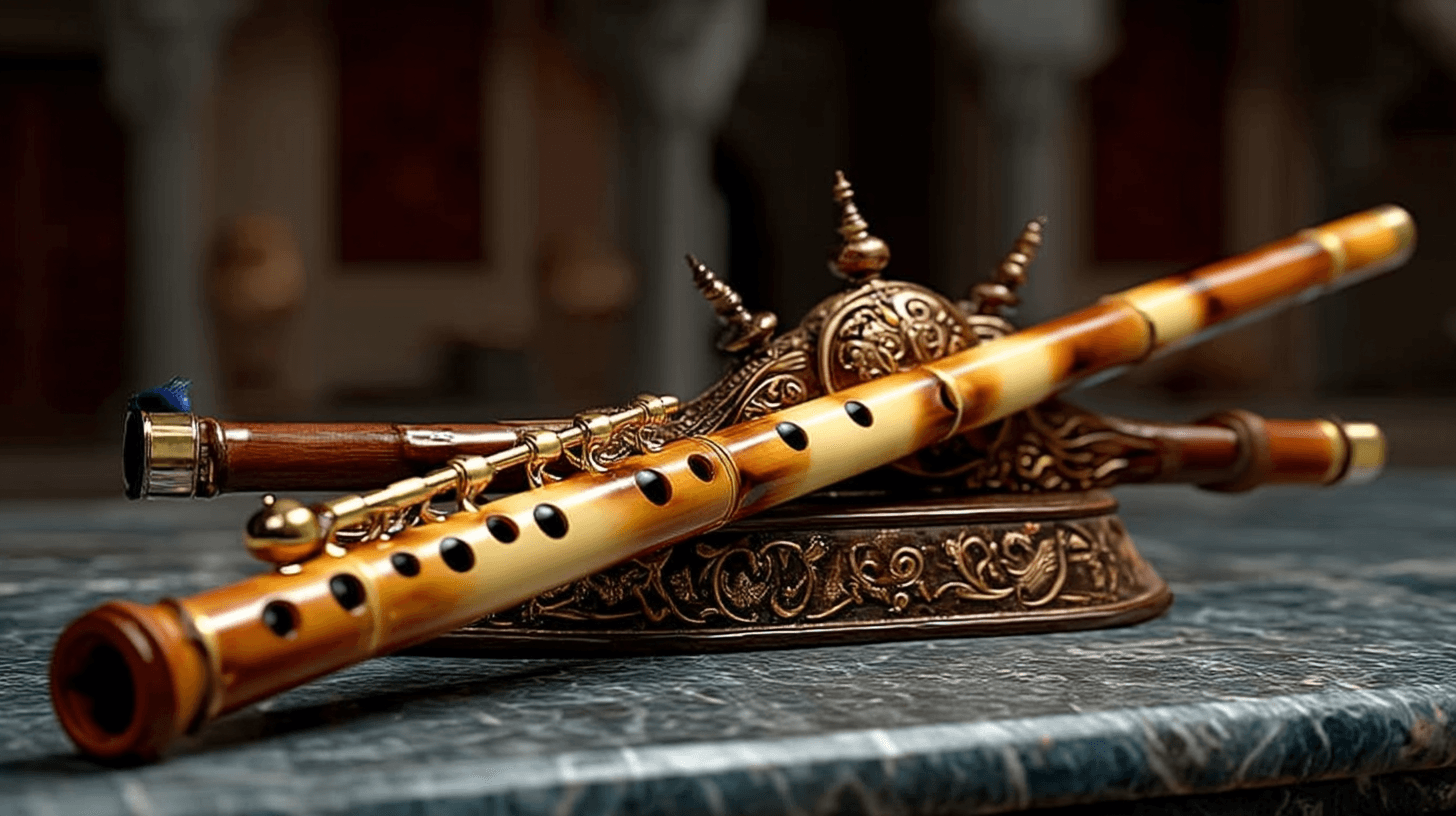
The Ney. It's not just a flute; it's an ancient voice, resonating with the echoes of millennia. This oblique reed flute boasts a history stretching back over 5,000 years, with roots firmly planted in the fertile grounds of Mesopotamia and ancient Egypt. Imagine, a musical instrument predating much of written history as we know it!
But why this simple reed? Rumi, in his profound wisdom, captured its essence: "Listen! How the ney complains, how it tells of separations." The Ney symbolizes the human soul, severed from its divine source, forever yearning for reunion. It is a poignant reminder of our inherent longing, our spiritual homesickness.
For the Mevlevi Sufis, the Ney player's breath is not merely air; it is the Nafas ar-Rahman, the Breath of the Compassionate One, the Divine Breath that brings creation itself into being through its melancholic, evocative tones. It is a sacred act of creation and remembrance. And within the Sema ceremony, the Ney is indispensable. Its improvisational melodies, the baş taksim, don't just tune the ears, but attune the very souls of those present, preparing them for the spiritual journey ahead.
Sufi Meditation: Tuning In to Inner Silence
The ultimate goal of Sufi meditation transcends merely quieting the external noise. It is about taming the ego-mind, that incessant internal chatter, to forge a connection with the Divine. This journey unfolds along two primary paths: Muraqaba and Sama.
Muraqaba, meaning "to observe," is the path of silent reflection. It is the "unplug and go inward" method. By detaching from distractions, awakening the heart, and focusing on the Divine essence, the mind gradually finds its stillness. Think of it as a profound spiritual detox, cleansing the soul of its accumulated clutter.
Sama, on the other hand, embraces spiritual music and dance. This is where Rumi and the Ney truly shine. Chanting (Dhikr) and listening to spiritual music, often accompanied by the mesmerizing whirling dance, create an ecstatic state. The repetitive nature of these practices helps to dissolve the ego, allowing for a fleeting glimpse of profound unity, a taste of the divine ocean from which we all originate. It is a dance of annihilation, of surrendering the self to the Beloved. Sound leading to silence, movement leading to stillness – this is the dynamic interplay that defines the Sufi path.
Hot Takes & Head-Scratchers: Modern Debates and Divides
The enduring popularity of Rumi has not been without its controversies. The "whitewashing" of his poetry in many popular Western translations, stripping away explicit Islamic references, raises important questions. Is this an attempt to make him more accessible to a wider audience, or is it an erasure of his true spiritual and cultural context? The "Rumi Was Muslim" movement insists on the importance of remembering his roots, grounding his universal message in its original Islamic framework. Furthermore, the proliferation of misattributed or poorly translated "Rumi quotes" online distorts his original poetic and spiritual essence, creating a simulacrum that bears little resemblance to the real Rumi.
The permissibility of music within Islam has been a subject of debate for centuries. Conservative viewpoints often deem it haram (forbidden), fearing its potential to distract from devotion. Sufis, however, wholeheartedly embrace sama', not as mere entertainment, but as a sacred tool for divine connection. For them, intention is paramount. As "Sufi music" increasingly permeates the world music scene, concerns arise about the potential commercialization and dilution of its spiritual purpose.
And what of silence itself? While it is often seen as the ultimate goal, some Sufi teachings surprisingly caution against absolute silence, warning that it can create a void that invites negative thoughts or mental agitation. They advocate for conscious contemplation amidst life's "turbulence," finding stillness not in the absence of sound, but in the presence of awareness. For Rumi, the deepest silence is a metaphysical space where the ego dissolves and the divine presence manifests.
The Future's Calling: Rumi, Ney & Silence in the Digital Age
Rumi's influence continues to expand globally, bridging faiths and cultures, and inspiring countless individuals on their paths to well-being. Digital archives, AI-powered interpretations of his work, and even AI-generated Sufi music are emerging on the horizon. Cultural tourism to Rumi's mausoleum in Konya remains a vibrant phenomenon.
The Ney, too, is experiencing a global resurgence. Fusion with jazz, electronic, and world music genres is creating exciting new sonic landscapes. Neyzens (Ney players) are pushing the boundaries of technique and exploring innovative materials. Online communities and workshops are democratizing access to learning this ancient instrument, making it more accessible to aspiring musicians worldwide.
Sufi meditation music is increasingly finding its way into yoga studios, therapy sessions, and wellness retreats. Expect to see more "Sufi Bollywood Fusion" and music designed with healing frequencies (like 432Hz) tailored for deep relaxation. Guided meditations and workshops, often blending movement, chanting, and even yoga, are making this ancient path accessible to a new generation through digital platforms.
Conclusion: Listen to the Reed, Find Your Silence
Rumi, the Ney, and Sufi meditation offer a timeless and ever-evolving path to inner peace and divine connection, navigating the delicate balance between profound tradition and modern interpretations. Whether through the ecstatic whirl of the Sema, the soulful lament of the Ney, or the quietude of contemplative reflection, the journey to silence is an invitation to connect with something infinitely deeper, both within ourselves and beyond. Are you ready to listen to the whispering reed?