
Whispers of the Ancestors - Why 'Listening to the Wind' is More Than Just Meditation in Native American Spirituality
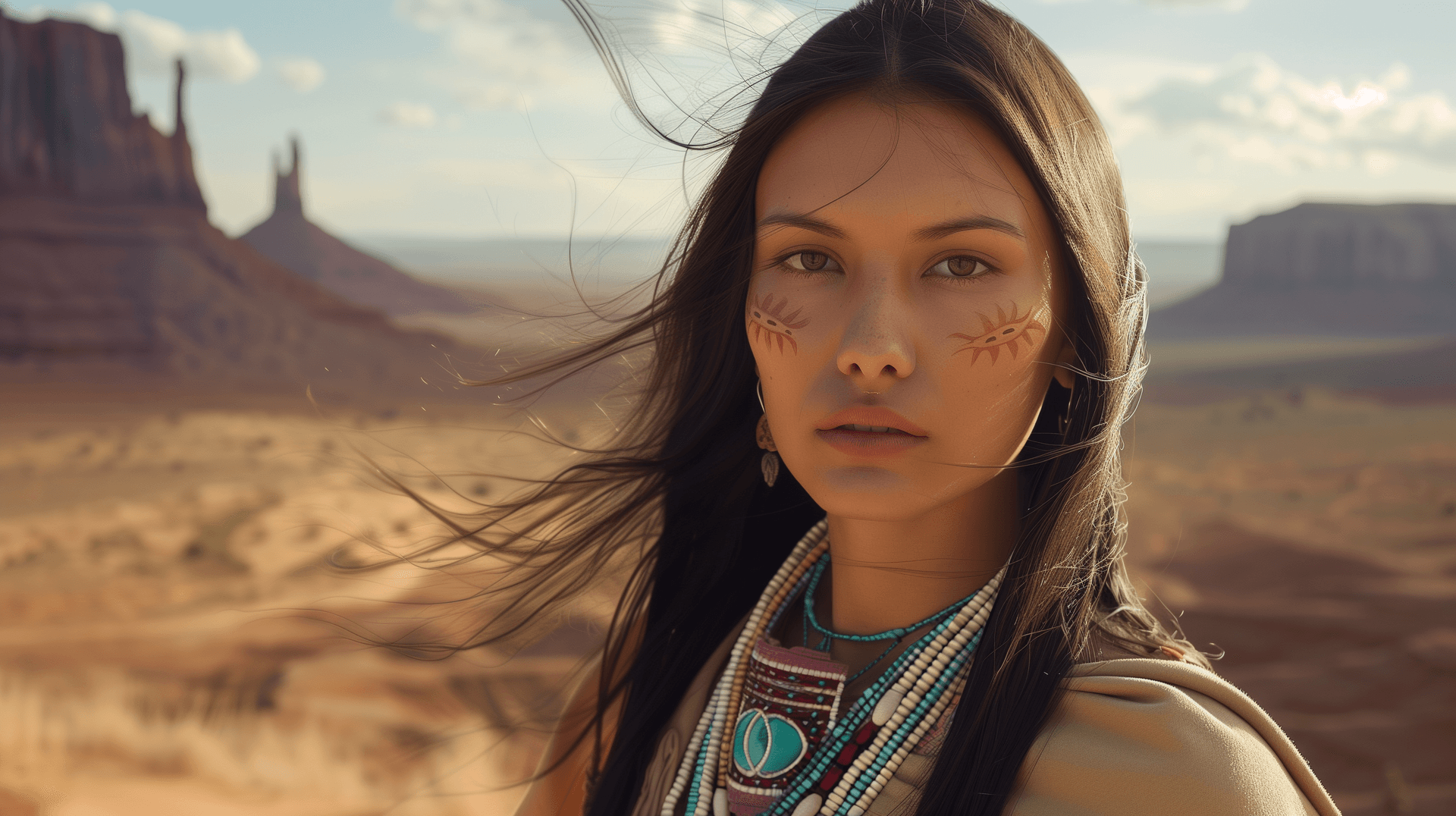
Whispers of the Ancestors: Why 'Listening to the Wind' is More Than Just Meditation in Native American Spirituality
Imagine the wind isn't just moving air, but a voice, a guide, a connection to something ancient and profound. It rustles through the trees, carrying stories older than time. The modern world might call it nature, but in many Native American traditions, it's a living, breathing teacher. Let's dive into the rich world of Native American spirituality, where "listening to the wind" is a powerful, sacred meditation practice, far beyond simply clearing your head. We'll explore its historical roots, unique practices, ongoing challenges, and its powerful role in healing today.
The wind, in many Indigenous traditions, is far more than a weather phenomenon; it is the "breath of the earth" or the "breath of the Great Mystery." A living, sacred entity, whispering secrets if you know how to listen. Consider the Navajo/Diné's Nilch’i, the Holy Wind, the "in-standing wind" that gives life, intuition, and a moral compass. Listening to it is, in essence, listening to your soul's connection to the Divine. Or the Lakota's Tȟaté, the Messenger, a bridge between physical and spiritual realms, carrying messages from the Great Mystery (Wakan Tanka). Many tribes believe the wind carries the songs, prayers, and even the presence of ancestors. That sudden breeze you feel might not be random. It might be a message. "Listen to the wind, it talks. Listen to the silence, it speaks. Listen to your heart, it knows." A simple proverb, yet a profound invitation to listen to a profound teacher.
Unlike Western mindfulness, these contemplative practices are relational – focused on harmony with land, ancestors, and community (Mino-bimaadiziwin). It's a "way of life," not just a practice. We find deep philosophical roots in concepts like Mitakuye Oyasin (All My Relations - Lakota), the belief in the interconnectedness of all living and non-living things. Or Hózhó (Navajo/Diné), a foundational state of balance, beauty, and harmony – a mindful way of being, constantly striving for equilibrium. Then there’s the "Good Mind" (Loyani - Haudenosaunee), achieving mental clarity and consensus through deep listening, a collective mindfulness.
There are ancient practices of spiritual listening that resonate even now. The Two-Eared Listening of the Mi’kmaq, the wisdom of listening twice as much as you speak. Witnessing practiced by the Coast Salish, a meditative act of deep presence to remember and validate events. And Wocekiye (Lakota/Dakota), "to pray" or "to claim relationship" with the Great Mystery. Formal meditative rites, once suppressed, are now being revitalized, like Vision Quests (Hanbleceya), fasting and solitude in nature to receive spiritual guidance. Sweat Lodges (Inipi), communal purification, symbolizing rebirth. Smudging, burning sacred medicines to clear the mind and heart before meditation. It's critical to acknowledge the shadow of colonization and how these practices were historically banned and suppressed, disrupting communal mindfulness.
Indigenous "meditation" is rarely just silent sitting; it's often physical, communal, and deeply ceremonial. The wisdom of the Four Winds and the Medicine Wheel teaches that each wind direction informs its "medicine" or lesson (East for new beginnings, North for wisdom, etc.). How can we bring this tradition to our own practice, respectfully? Begin with wind-watching: finding a "power spot," offering gratitude, tuning your ears to nature's symphony, listening with intention. Embrace the "Breath of Beingness," visualizing the sacred exchange of breath, fostering interconnectedness. Practice the Four Directions Reflection, asking for specific guidance from each wind. Or listen to the Native American Flute, often described as the "Sacred Voice of the Wind" for focused listening. Scholars and elders offer profound insights. Dr. Michael Yellow Bird speaks of "Neurodecolonization," using traditional practices (drumming, chanting, language immersion) to heal intergenerational trauma and "rewire" the brain. Dr. Gregory Cajete sees creation (weaving, pottery) as a deep form of meditation, the "Ceremony of Art and Vision." And Robin Wall Kimmerer teaches us about "Gratitude" as mindfulness, a reciprocal conversation with the land and its intelligence. Contemporary movements like Wayapa Wuurrk and the Indigenous Mindfulness Project actively integrate traditional wisdom with modern well-being.
However, we must confront the uncomfortable truth of cultural appropriation and misrepresentation. The core issue: dominant cultures taking elements from marginalized cultures without permission, credit, or compensation, stripping them of sacred meaning and turning them into "products." From fashion faux pas, like brands copying Indigenous designs without consent (think Zara, Isabel Marant, or Victoria's Secret's infamous war bonnet incident) or Urban Outfitters trademarking "Navajo" for products, to wellness industry woes like the over-harvesting and commercialization of white sage or the casual misuse of terms like "spirit animals," the examples are numerous. Media also plays a part through harmful stereotypes perpetuated by sports mascots (Washington Redskins, Cleveland Indians) dehumanizing Indigenous people, or "White Savior" narratives in films like Avatar. Western legal systems often struggle, focusing on individual ownership, while Indigenous knowledge is often collective and ancestral. The path forward requires appreciation, not appropriation. The crucial difference lies in consent, compensation, and context. Supporting Indigenous-led initiatives, direct collaboration, benefit-sharing, and deep listening are key.
There is hope in weaving a future of healing, preservation, and genuine engagement. Moving from static displays of culture to "living heritage": dynamic, community-led initiatives that use culture for identity, climate resilience, and innovation. Tech can be a force for good, with digital twins and the metaverse creating immersive virtual classrooms and highly detailed replicas of cultural sites for education and real-time monitoring. AI can translate ancient scripts, tailor cultural curricula, and predict heritage site maintenance needs. Empowering the next generation through platforms like TikTok for "algorithmic cultural mediation" to document local heritage, "serious games" that teach traditional practices through interactive experiences, and micro-credentials in traditional crafts and conservation. Programs like Indigenous Guardians combine traditional ecological knowledge with modern tech (drones) for community-led preservation, placing Indigenous sovereignty at the forefront. This is a call to action: engage with respect, seek authentic Indigenous voices, support Indigenous businesses and artists, and understand that this journey is about shared healing and revitalizing ancient wisdom for a better future.
Let us reiterate the profound, relational, and holistic nature of Native American spiritual listening. It's an invitation to pause, connect with the natural world, and truly listen – not just to the wind, but to the deep wisdom it carries, and to the living heritage it represents. It's an invitation to remember our place in the web of life, to listen deeply, and to learn from the earth's timeless wisdom.