
Why the Duduk Brings Tears -The Emotional Depth of Armenian Sound Healing
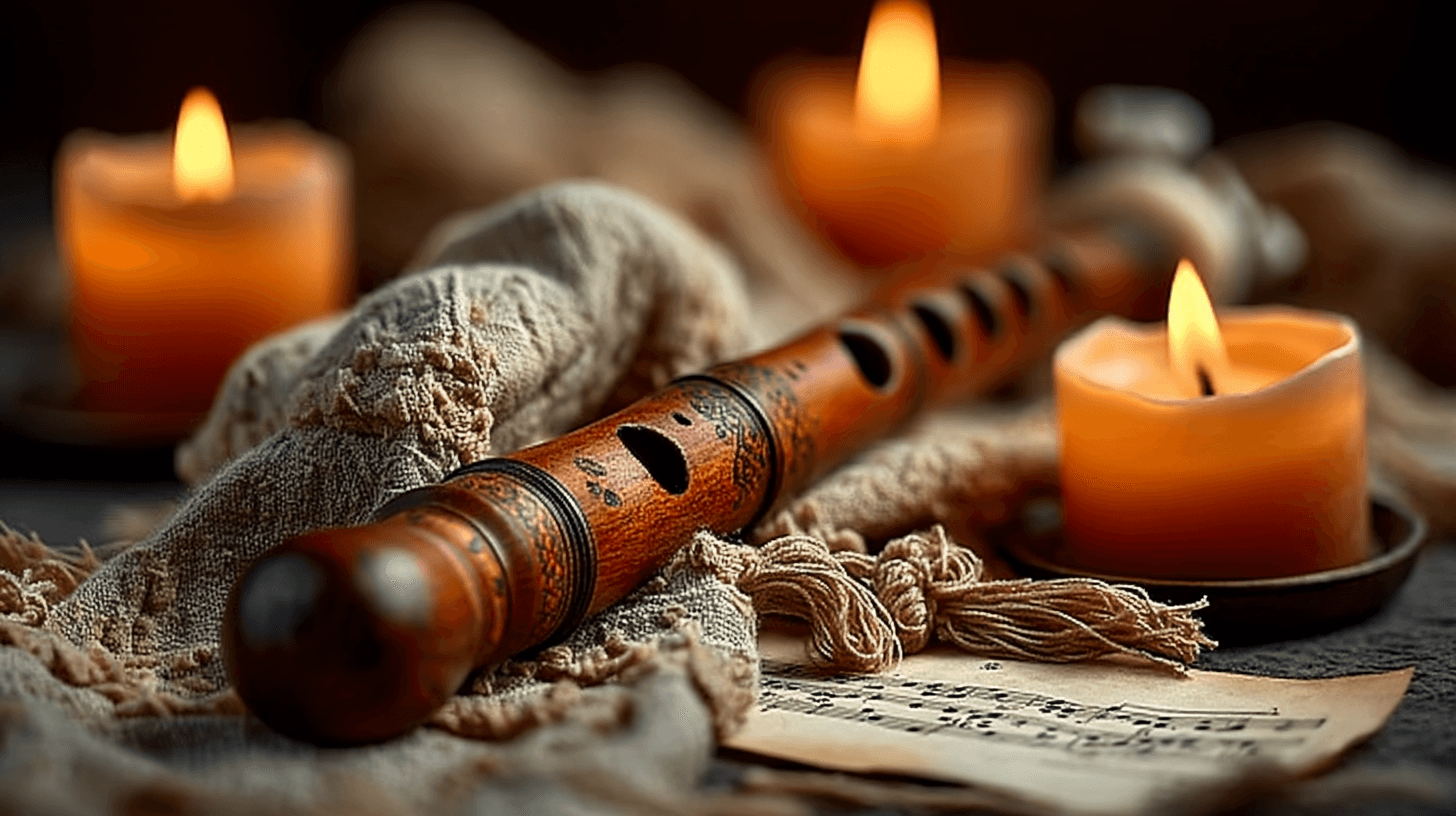
Why the Duduk Might Just Bring You to Tears: An Ancient Instrument's Soulful Journey
I. Introduction: The Sound That Stops You Cold
Ever been stopped in your tracks by a piece of music, a melody so potent it instantly conjures a well of emotion? If you haven't, then you, my friend, are yet to experience the duduk. This isn't just another instrument lost in the orchestra; it’s an ancient Armenian whisper, a soulful lament, a profound voice that has resonated across centuries, earning global recognition for its sheer, unadulterated emotional power. We're about to embark on a journey into the heart of this unassuming piece of apricot wood, exploring why it has moved kings, inspired composers, and captivated moviegoers, and examining how it continues to stir the depths of human feeling.
II. A Voice from the Ancient Past: The Duduk's Epic History
Consider an instrument echoing from over 1,500 years ago, perhaps even reaching back 3,500 years to the mists of the Urartan Kingdom, resonating within the courts of King Tigran the Great. That's the duduk, steeped in antiquity. Often hailed as the only truly Armenian instrument to have navigated the turbulent currents of history, it stands as a potent emblem of national identity, a living testament to cultural endurance. The story of its evolution, from primitive bone and cane incarnations to the refined apricot wood instrument we know today, is a fascinating one. But its significance extends beyond Armenia's borders; UNESCO formally recognized Armenian duduk music as a Masterpiece of the Intangible Heritage of Humanity in 2005/2008, solidifying its place as a treasure of global importance.
III. The Magic Behind the Melancholy: How the Duduk Gets Its Voice
What alchemy allows this simple instrument to speak so directly to the heart? The secret lies in a few key ingredients. The aged apricot wood, endowing it with its name tsiranapogh ("apricot-made wind instrument"), is crucial. Coupled with its uniquely large double reed, known as the ghamish, this combination yields a timbre that is warm, soft, almost unsettlingly human-like in its resonance. But the instrument alone is not enough. The player's art, the dudukahar's mastery, elevates it from mere sound production to emotional expression. Forget simple blowing; these virtuosos employ circular breathing, creating seamless, continuous melodies that seem to emanate from the soul itself, like a continuous sigh woven into the fabric of existence. And then there's the subtle variations: the different lengths of the instrument, each calibrated to evoke a distinct emotional landscape – a longer duduk for the languid strains of a love song, a smaller one for the vivacious energy of a dance. Often, two duduks intertwine, one carrying the melody, the other providing a haunting, grounding drone, the dum, a constant reminder of the earth from which these melodies spring.
IV. From Solemn Ceremonies to Silver Screens: The Duduk Today
Beyond its sonic properties, the duduk possesses a crucial quality: it "eloquently expresses the language dialectic and mood of the Armenian language," bearing within its tones the collective joys, sorrows, hopes, love, loss, and nostalgia of a people. It's no accident that the legendary Armenian composer Aram Khachaturian declared the duduk the only instrument capable of bringing him to tears. Its ability to induce goosebumps, to prick the skin with the electricity of pure emotion, is undeniable. Hollywood, ever in search of evocative soundscapes, has embraced the duduk as its secret weapon. From "Gladiator" and "The Passion of the Christ" to the more recent "Dune" and "Avatar," its ethereal, ancient sound has become the go-to for conjuring powerful, mystical, or melancholic atmospheres in blockbuster films. And let's not forget the global ambassadors of the duduk, master players like Djivan Gasparyan, who have carried its voice to the world stage, collaborating with pop icons like Gloria Estefan and Shakira, and earning widespread critical acclaim.
V. Beyond the Notes: The Duduk as Sound Healing
The duduk's power extends beyond mere entertainment; it offers a soothing embrace, a powerful tool for wellness. Its soulful melodies are increasingly being employed for deep relaxation, stress relief, and even anxiety healing. Many recordings created specifically for "Duduk Meditation Music" are often tuned to 432 Hz, a frequency believed to promote harmony and emotional balance, a resonating frequency with the universe itself. Whether accompanying yoga practice, facilitating deep sleep, enhancing mindfulness exercises, or fostering spiritual connection, the duduk's gentle, introspective tones can act as a personal Zen master, guiding listeners toward inner calm and tranquility.
VI. The Sticky Wicket: Culture, Credit, and Controversy
But the duduk's journey is not without its complexities. The appropriation of its sound, exemplified by the "Gladiator" phenomenon, where it was deployed as generic "ancient desert music," raises critical questions. This casual usage can strip the instrument of its Armenian identity, leading to misrepresentation and sparking heated debate. Furthermore, the question of origins simmers: is it only Armenian? Similar double-reed instruments, such as the Balaban, Mey, and Duduki, exist throughout the Caucasus and Middle East, prompting discussions about shared ancestry and the evolution of musical traditions. Is the modern duduk a recent refinement, or a true echo of ancient practices? And, of course, looms the larger issue of cultural appropriation versus appreciation. When does borrowing become taking, devoid of proper understanding or credit? The duduk's global fame throws these questions into sharp relief, highlighting the ongoing imperative to approach cultural heritage with sensitivity and respect.
VII. What's Next for This Ancient Voice?
The story of the duduk is far from over. Dedicated craftsmen continue to innovate, tirelessly perfecting bore designs, experimenting with wood selection, and even introducing keyed versions to expand its expressive range. We can expect to hear the duduk weaving its magic in even more diverse genres – from indie film soundtracks to ambient electronica soundscapes and immersive video game scores. Its therapeutic applications will likely expand, solidifying its position in wellness practices worldwide. Ultimately, the duduk is evolving into a "language that reaches all nations," fostering cross-cultural understanding and breaking down barriers, one deeply soulful note at a time.
VIII. Conclusion: The Duduk's Enduring Echo
From ancient battlefields to modern soundscapes, from moments of profound grief to serene states of meditation, the duduk's journey is a testament to the enduring power of music to transcend time and space. It's an instrument that doesn't simply play notes; it communicates directly with the soul, reminding us that some sounds are truly universal, capable of stirring the deepest currents of human emotion. So, the next time you encounter that haunting, unforgettable melody, lean in and listen closely. You might just feel the weight of history, the breadth of human experience, and, perhaps, the gentle sting of a tear or two.