
Why the Duduk Hits Different - Unpacking the Ancient Instrument's Soul-Stirring Power
Why the Duduk Hits Different: Unpacking the Ancient Instrument's Soul-Stirring Power
I. The Voice of Eternity: An Introduction to the Duduk's Mystique
Ever heard a sound that just gets you? That makes your soul ache in a beautiful way, even if you can't quite put your finger on why? Chances are, it might have been the duduk. The Armenian duduk, often hailed as the soul of Armenia, possesses a sound that's haunting, melancholic, and profoundly human. It's an instrument that seems to bypass the intellect and strike directly at the heart. But what is it about this unassuming wooden pipe that allows it to unlock such deep emotions and bring a sense of profound peace? It's a fascinating blend of history, science, and culture.
II. Meet the Duduk: More Than Just a Pipe and a Reed
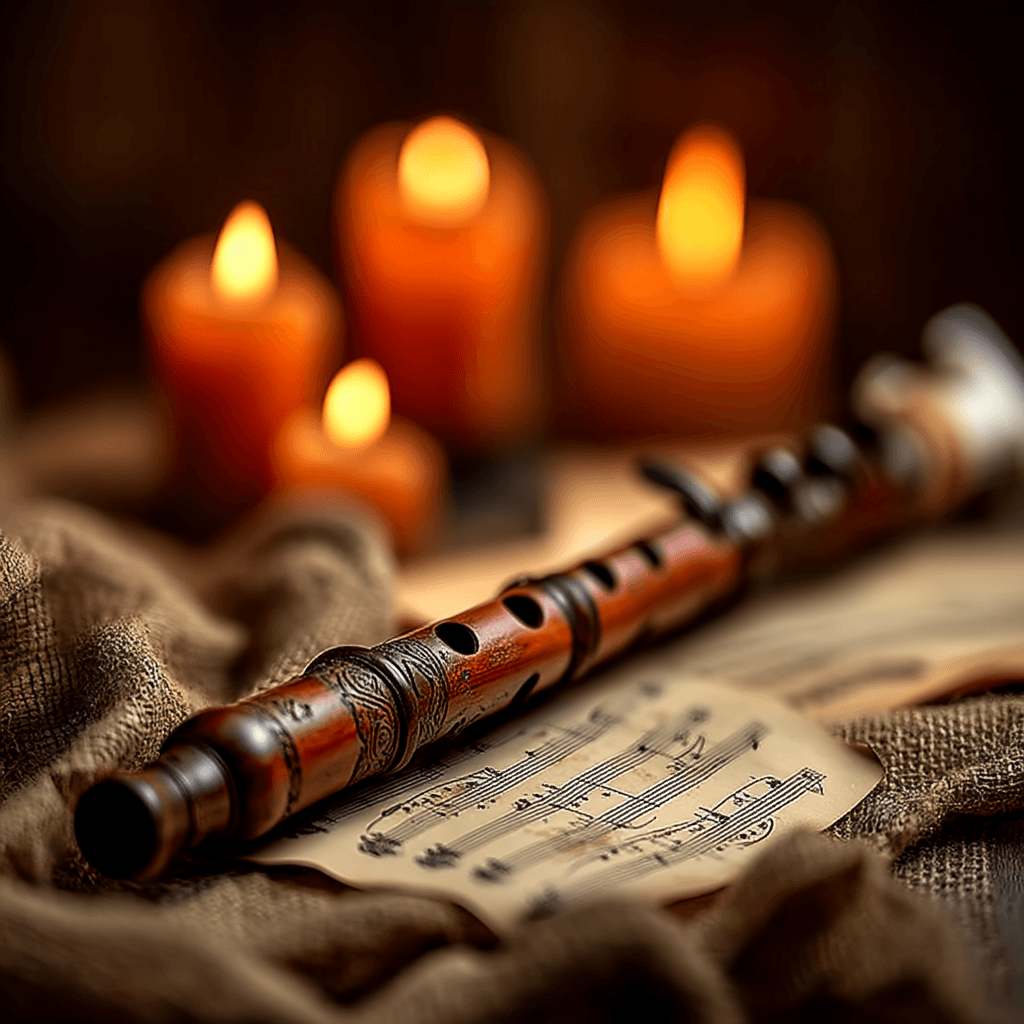
Let's dissect this enigma. The duduk isn't your typical woodwind instrument. Imagine a simple, cylindrical wooden pipe, but then picture a reed so substantial, so broad, that it almost resembles a flattened duckbill. That’s the ghamish, as the Armenians call it. This reed, coupled with the instrument's cylindrical bore, is key to its unique sonic signature. The magic doesn’t stop there. The duduk is rarely a solo act. Traditionally, it's played in pairs, one musician weaving the melody while the other sustains a continuous, deep drone – the dum – through the remarkable feat of circular breathing. Think of it as a warm, atmospheric wall of sound, a constant hum that vibrates in your very bones. And the secret ingredient? The iconic apricot wood. In fact, the instrument's Armenian name, tsiranapogh, literally translates to "apricot-made pipe." This specific wood is not merely a material choice; it's crucial for achieving the duduk's signature velvety, dark tone.
III. A Journey Through Time: The Duduk's Ancient Roots
The duduk is no newcomer to the world stage; its history stretches back millennia. Its origins potentially trace back to the Urartian Kingdom (c. 1200–600 BC). It is widely documented during the reign of King Tigran the Great. From its humble beginnings as a shepherd's pipe, it evolved alongside Armenian history, finding its voice in celebrations, funerals, and the telling of epic tales. References to the instrument can even be found in 5th-century Armenian literature. But no discussion of the duduk is complete without mentioning Djivan Gasparyan. Gasparyan brought the instrument's haunting beauty to the global stage, and even to Hollywood, with his evocative contributions to scores like Gladiator. In 2008, "The Duduk and its Music" earned its rightful place on the UNESCO Intangible Cultural Heritage list, solidifying its status as a living vessel of Armenian historical memory. The duduk isn't just an instrument; it's a cultural artifact.
IV. The Science of the Feels: Why Your Brain Responds to the Duduk's Call
While its cultural significance is undeniable, the duduk's power also lies in the realm of psychoacoustics. The instrument's unique construction and playing style conspire to create a sound that mimics the human voice. This triggers specific neural pathways in our brains. The unusually large, flexible reed and cylindrical bore work in tandem to suppress harsh, high overtones, resulting in a warm, dark, and "breathy" sound remarkably similar to a human chest voice, or even a sigh. The use of circular breathing allows for an uninterrupted stream of sound. This mirrors a sustained vocal note more closely than almost any other wind instrument. This audible "breathiness" creates a sense of intimacy, of vulnerability. But perhaps the most compelling aspect is the player's ability to "bend" notes (microtonality) and employ a wide vibrato. These techniques closely mirror the emotional ups and downs (prosody) of human speech and singing. It's as if the duduk is speaking directly to our souls, bypassing our conscious defenses. These specialized "singing neurons," located in the superior temporal sulcus, fire up in response, creating a feeling of deep familiarity.
And then there's the continuous dum. The drone isn't merely background noise; it acts as a sonic anchor. It induces Alpha and Theta brainwave states, promoting deep relaxation, internal focus, and even meditative calm. It's why the duduk is sometimes used in music therapy. This leads to what one might call the "tragedy paradox." Why does such a melancholic sound bring comfort? The answer may lie in the release of feel-good hormones when our brains perceive "safe" sadness, like in art. Prolactin, which counteracts grief, and oxytocin, the "bonding" hormone, flood our systems, leading to a powerful, healing sense of catharsis. The duduk becomes an empathetic companion for our own emotions.
V. The Duduk in the Spotlight: From Ancient Lament to Hollywood Gold... and Back Again
The duduk's journey has been extraordinary. Legendary composer Aram Khachaturian famously declared it "the only instrument that makes me cry." World-renowned players like Pedro Eustache describe it as an "antidote to desensitization." For them, it's all about raw, unfiltered expression. Hollywood has embraced the duduk as its secret weapon for conveying "ancient world," "profound sorrow," "longing," and spiritual awakening in blockbusters like Gladiator, The Last Temptation of Christ, Dune, and Battlestar Galactica. Hans Zimmer has been a champion of its use. For Armenians, however, the instrument carries an even deeper resonance. Inseparable from a long, often painful, history, including the Armenian Genocide, its sound acts as a powerful trigger for collective memory. It provides a communal space for processing transgenerational trauma and celebrating resilience.
VI. The Not-So-Quiet Controversies: When Music Gets Political
The duduk's story isn't without its complexities. The ongoing "heritage wars" surrounding the instrument, with neighboring countries like Azerbaijan and Turkey claiming similar instruments (balaban, mey) as their own, highlight the politicization of culture. These aren't just linguistic squabbles; they're battles over cultural identity. Armenia's successful inscription on the UNESCO list in 2008 was a triumph, but it also fueled decades of cultural diplomacy clashes, with others submitting their own applications.
The instrument's use in Hollywood has also drawn criticism. When the duduk is used to generically signal "ancientness," "tragedy," or "Middle Eastern-ness" in films, it can sometimes lead to "othering" or misidentification (e.g., being mistakenly called "Arabic," despite its distinct Christian Armenian heritage). Some academic circles suggest that the beloved "modern" duduk sound might have been "refined" during the Soviet era to fit Western orchestral tastes, potentially sidelining older, more varied regional sounds.
VII. The Duduk's Next Act: Future Sounds and Digital Frontiers
But the duduk is far from a relic of the past. It's experiencing a renaissance, finding new expression in unexpected places. In 2024-2025, the duduk is finding its way into electronic music genres like Organic House and Melodic Techno. Artists like Viken Arman and Jivan Gasparyan Jr. are blending ancient sounds with deep, rolling basslines and club-ready beats. The global "slow-down" movement in electronic music is craving its expressive, soulful timbre.
New educational methods are emerging that feature AI-powered apps for pitch analysis, automated transcription, and even VR heritage tours. These immerse students in Armenian culture. Ongoing initiatives like Armenia's "Arar" program and UNESCO-funded projects ensure that the ancient art of crafting these apricot wood wonders, and the skills to play them, continue to be passed down through generations. The duduk is adaptable, it’s finding new ways to connect people to deep emotion, whether through a festival DJ set, a VR history lesson, or a quiet moment of personal reflection.
VIII. Embrace the Soulful Hum
The duduk's story is a testament to the enduring power of music. It is a unique blend of ancient history, intriguing acoustics, and unparalleled emotional power. I encourage you to seek out duduk music and experience its profound, peace-inducing effect firsthand. Perhaps start with Djivan Gasparyan's I Will Not Be Sad in This World, or explore the modern fusions of Viken Arman. Let its timeless ability to touch the human spirit wash over you, making you feel deeply, process, and find a quiet solace. The duduk's voice is a whisper from eternity, a reminder of our shared humanity.